Get Industrial Floor Repair
Industrial floor repair services address issues like cracks, spalling, and surface deterioration in concrete or epoxy floors, handling projects such as resurfacing, leveling, and crack sealing.
If property owners are considering repairs or maintenance for industrial flooring, finding reliable local contractors is an important step. Properly maintained floors can enhance safety, improve operational efficiency, and extend the lifespan of a facility’s infrastructure. Exploring options for industrial floor repair helps ensure that projects are planned with quality and durability in mind, making it easier to compare local service providers who specialize in this work.
By reviewing the available local contractors, property owners can better understand the range of services offered and select professionals equipped to handle specific flooring needs. Whether addressing damage, wear, or surface upgrades, connecting with experienced local service providers can support effective project planning and help achieve long-lasting results. Keep reading to discover how to identify the right experts for your industrial flooring repair needs.
- Crack Repair - when concrete floors develop cracks that could compromise structural integrity or safety.
- Surface Resurfacing - for restoring worn or damaged industrial floors to a smooth, functional condition.
- Spill Damage Restoration - needed after chemical or oil spills that have stained or damaged the flooring surface.
- Joint Repair - essential when expansion joints or control joints have deteriorated or failed.
- Sealing and Coating - to protect floors from wear, corrosion, and future damage in high-traffic industrial environments.
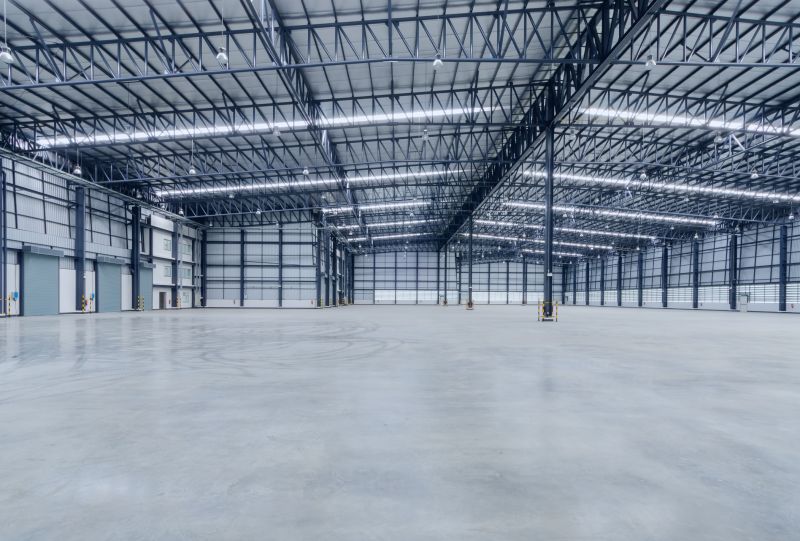
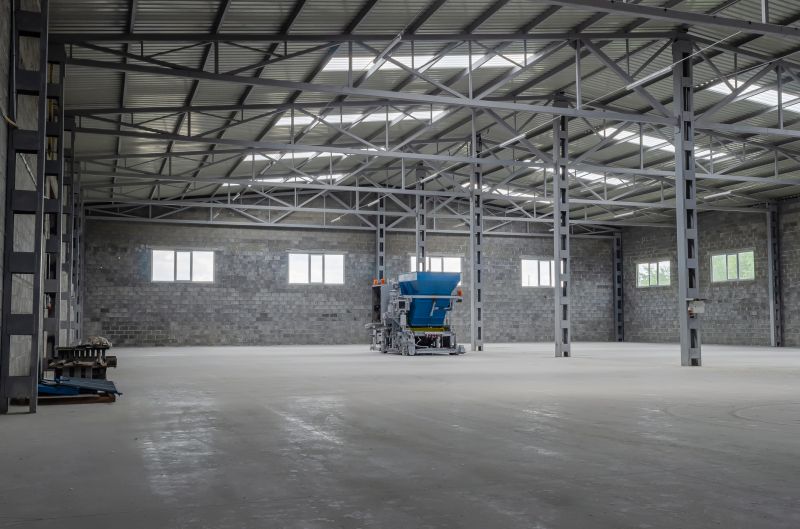
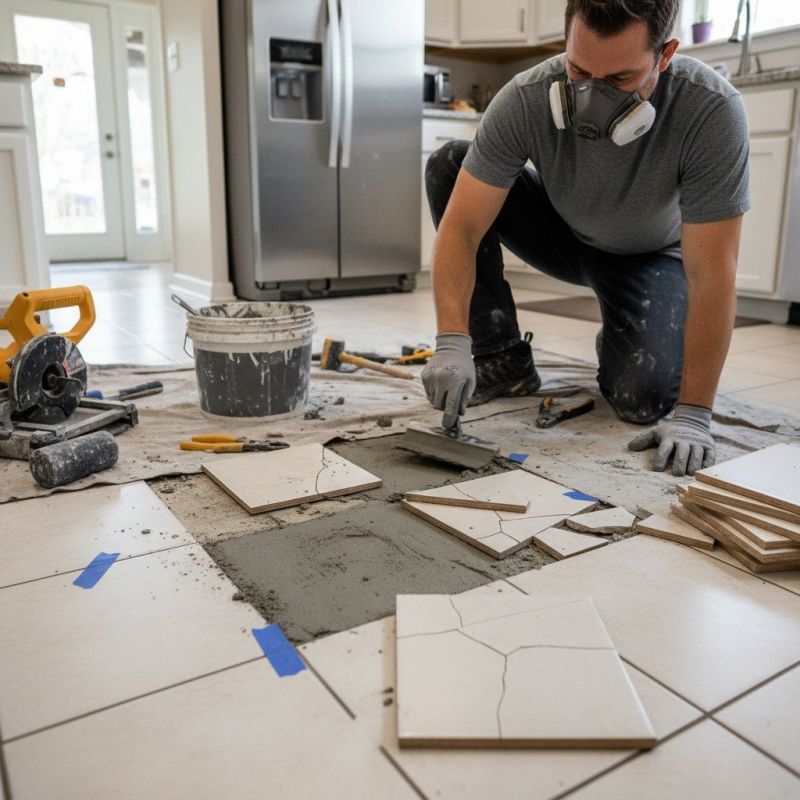
Industrial floor repair services focus on restoring and maintaining the integrity of concrete and other flooring surfaces in commercial, industrial, and warehouse settings. These services typically involve assessing the condition of existing floors, addressing issues such as cracks, spalling, uneven surfaces, and surface deterioration. Repair methods may include patching damaged areas, leveling uneven sections, sealing cracks, and applying protective coatings to extend the lifespan of the flooring. The goal is to create a durable, safe, and functional surface that can withstand heavy use and meet the specific demands of industrial environments.
Many problems can signal the need for industrial floor repair. Cracks and chips in the concrete can pose safety hazards and lead to further deterioration if left unaddressed. Uneven floors can cause equipment malfunctions or create tripping hazards for workers. Surface wear, such as peeling coatings or surface erosion, can reduce the floor’s ability to resist stains, chemicals, and heavy loads. Addressing these issues promptly helps prevent more costly repairs down the line and can improve overall safety and productivity within the facility.
Industrial floor repair services are commonly used in a variety of property types, including warehouses, manufacturing plants, distribution centers, and large commercial garages. These properties often experience high traffic, heavy machinery, and frequent use of equipment, which can accelerate wear and tear on the flooring. Business owners and facility managers typically seek out local contractors who specialize in industrial flooring to ensure repairs are performed correctly and that the floors can handle the operational demands placed upon them.
Homeowners with large garages or workshop spaces may also encounter situations where industrial floor repair services are needed. Over time, garage floors can develop cracks, uneven surfaces, or surface damage from vehicle traffic, spills, or heavy equipment. Repairing these issues helps maintain a safe, level surface for daily use and can improve the appearance of the space. Contacting experienced local service providers can help determine the best repair solutions to restore and strengthen garage floors or other residential spaces that require industrial-grade durability.
The overview below groups typical Industrial Floor Repair projects into broad ranges so you can see how smaller, mid-sized, and larger jobs often compare in your area.
In many markets, a large share of routine jobs stays in the lower and middle ranges, while only a smaller percentage of projects moves into the highest bands when the work is more complex or site conditions are harder than average.
Smaller Repairs - typical costs for minor patching or surface fixes usually range from $250-$600, covering many routine jobs. Many projects fall within this middle range, depending on the size and severity of the damage.
Moderate Repairs - more extensive repairs, such as crack filling or surface leveling, generally cost between $600-$2,000. Larger, more involved projects tend to reach the higher end of this range more frequently.
Major Restoration - significant repairs involving surface removal or extensive patching can range from $2,000-$5,000. These projects are less common but are necessary for severely damaged floors.
Full Floor Replacement - complete removal and replacement of an industrial floor typically start around $10,000 and can exceed $50,000 for large or complex jobs. Most projects in this category are on the higher end due to scope and materials involved.
Actual totals will depend on details like access to the work area, the scope of the project, and the materials selected, so use these as general starting points rather than exact figures.
Concrete Repair Projects - Local contractors often handle concrete patching, crack filling, and surface restoration, skills that are directly applicable to industrial floor repair work.
Epoxy Floor Coatings - Applying durable epoxy coatings requires surface preparation and precise application techniques similar to those used in industrial flooring projects.
Industrial Surface Preparation - Preparing surfaces for coating or repair involves cleaning, grinding, and leveling, which are common tasks in various industrial flooring services.
Polished Concrete Finishes - Achieving smooth, high-gloss floors involves polishing techniques that are related to the finishing processes in industrial floor restoration.
Sealant and Coating Application - Applying protective sealants and coatings on floors shares planning, surface prep, and application methods with industrial floor repairs.
Warehouse Floor Marking - Marking and delineating warehouse floors requires surface prep and painting skills that are similar to repair and resurfacing projects.
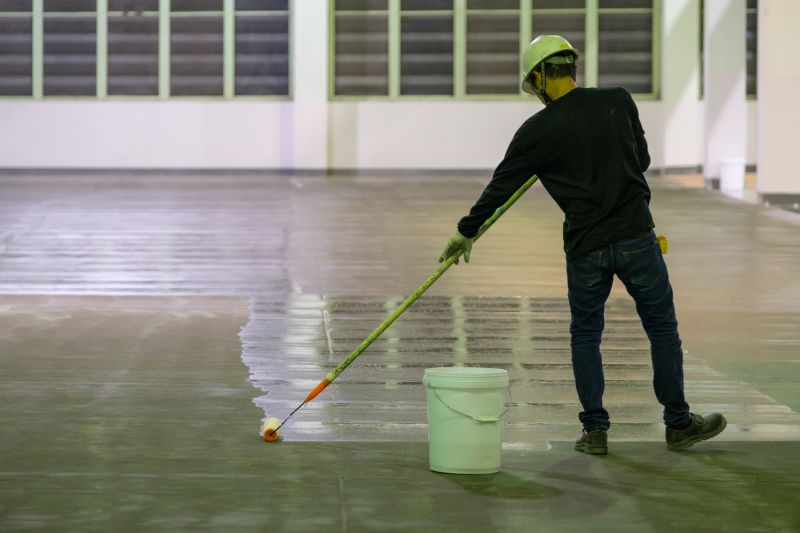
When comparing service providers for industrial floor repair, it’s important to consider their experience with projects similar in scope and complexity. Homeowners should look for local contractors who have a proven track record of handling industrial flooring challenges comparable to their own. This can often be gauged through references or examples of past work, which demonstrate the contractor’s familiarity with specific materials, surface conditions, and repair techniques relevant to industrial environments. Choosing a provider with relevant experience helps ensure that the repair work will be performed efficiently and effectively, reducing the risk of issues down the line.
Clear written expectations are a key factor in selecting a reliable service provider. Homeowners should seek out local contractors who communicate their scope of work, materials, and methods in a straightforward manner. This transparency helps prevent misunderstandings and provides a solid foundation for the project. It’s beneficial to review any written proposals or estimates carefully to ensure that all aspects of the repair are addressed, and that there is a shared understanding of what the project entails. Well-documented expectations contribute to a smoother process and a more predictable outcome.
Reputation and communication are essential when choosing a local service provider for industrial floor repairs. Homeowners can ask for reputable references or reviews from previous clients to gauge the quality of work and professionalism. Good communication throughout the project is equally important; it ensures that questions are answered, concerns are addressed promptly, and updates are provided as needed. While the site introduces homeowners to local options, it’s up to each individual to verify that prospective contractors are reputable and communicative, enabling a confident decision based on trust and clarity.
Property owners use Industrial Floor Repair services for practical projects around their homes and businesses. This guide focuses on everyday jobs and straightforward project options.
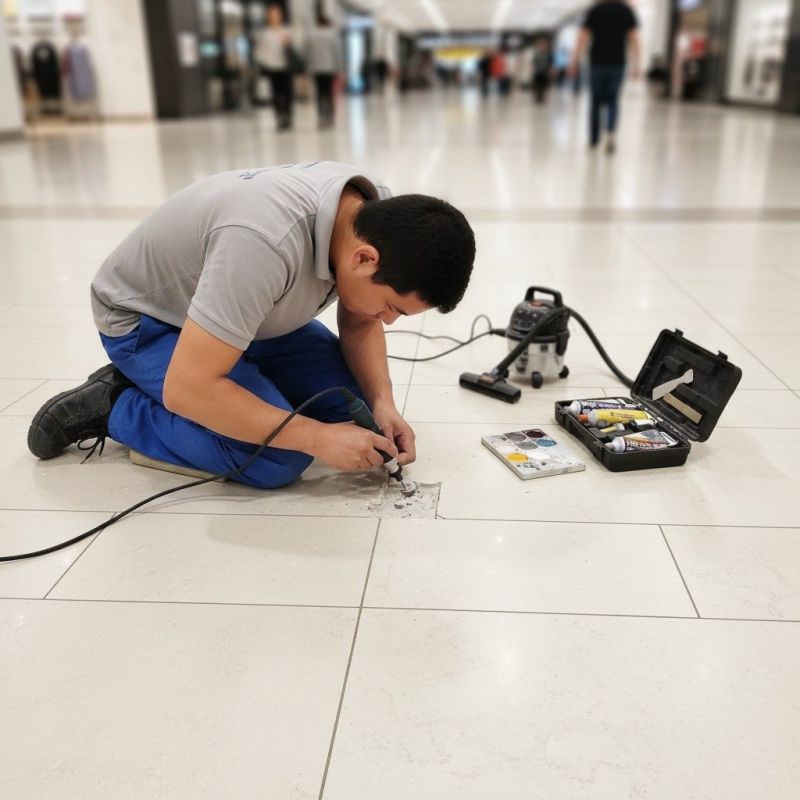
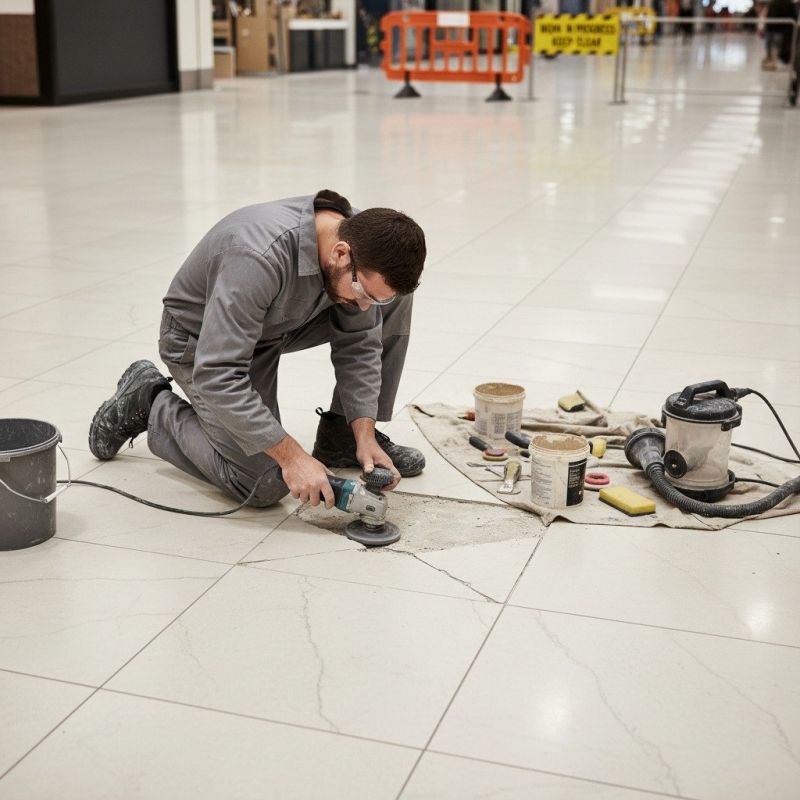
Industrial floor repair services are often needed when property owners notice cracks, uneven surfaces, or surface deterioration in their commercial or industrial spaces. These issues can arise from regular wear and tear, heavy equipment traffic, or environmental factors, making it important to find experienced contractors who can restore the floor’s integrity and safety. Local service providers specialize in assessing the condition of existing floors and providing solutions that help maintain a functional and professional environment for daily operations.
Property owners might also seek industrial floor repair when preparing a space for new tenants, upgrading facilities, or addressing damage caused by spills or accidents. Ensuring a smooth, durable surface can prevent future issues and improve overall safety. Local contractors who focus on industrial flooring are equipped to handle a variety of repair needs, offering the expertise needed to keep commercial spaces in good condition and ready for ongoing use.
What types of industrial floors can be repaired? Local contractors can handle repairs on various types of industrial floors, including concrete, epoxy-coated, and asphalt surfaces, depending on the specific needs of the facility.
How do professionals typically repair cracks in industrial floors? Repair methods often involve filling cracks with specialized epoxy or polyurethane compounds to restore structural integrity and prevent further damage.
Are there options for resurfacing or coating worn industrial floors? Yes, service providers can apply new coatings, such as epoxy or polyurethane, to improve durability, appearance, and resistance to wear and chemicals.
What causes damage that requires industrial floor repair? Common causes include heavy machinery traffic, chemical spills, impact from equipment, and general wear over time, which can lead to cracking, spalling, or surface deterioration.
How can I find local pros for industrial floor repair? This website helps connect individuals with local contractors experienced in industrial floor repair, enabling comparisons and informed choices for the job.
Industrial Floor Repair Solutions - Property owners can ensure their floors are safe and durable for daily operations by hiring local contractors to address cracks, surface damage, or uneven areas.
Concrete Restoration Services - Business owners can maintain a professional appearance and prevent further deterioration by having experts restore worn or stained flooring in their facilities.
Epoxy Floor Coating Applications - Facility managers can improve safety and cleanliness by applying protective coatings that resist spills, stains, and heavy foot traffic.
Surface Preparation and Maintenance - Property owners can extend the lifespan of their floors through proper preparation and ongoing maintenance performed by experienced service providers.
If you are thinking about Industrial Floor Repair for a property, this guide is meant to help you understand the work, the typical project types, and how different options might fit your plans.
When you are ready, you can use the quote form on this page to share a few details about your project. From there, local pros can review the basics and respond with options that match what you have in mind.